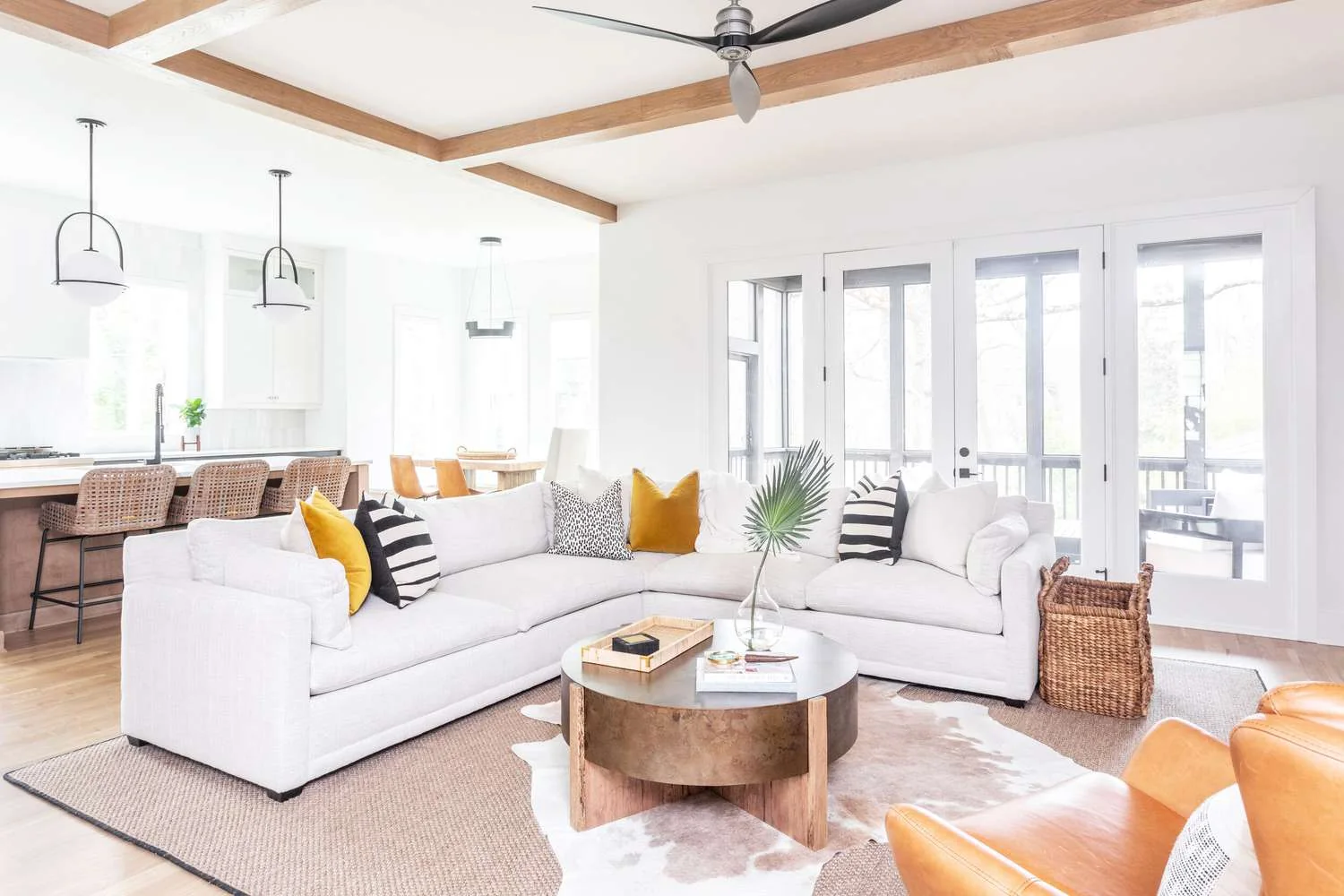
A room can feel welcoming before you have named why. Often it is the way the light settles across a table, the softness of a favorite throw, or the gentle pause between activity and rest. Warmth is less about a particular style than a feeling built from choices that make a home easier to inhabit.
Begin with the way the room is used
Before choosing a finish or a cushion, notice the rhythms of the room. Where do you naturally sit? What do you reach for each day? Which objects deserve to stay close at hand? A layout that follows those habits can feel generous without asking for more space.
Give pathways room to breathe, let the furniture invite conversation, and keep practical surfaces close to the moments that need them. These small decisions make a room feel quietly intuitive.
Layer texture, not clutter
Natural materials bring gentle variation to a space. A woven shade, brushed wood, soft linen, or a stoneware bowl can add depth without making the room feel busy. Let subtle tactile contrasts do the work, then leave enough open surface for the eye to rest.
Color can be just as subtle. Repeat a tone found in a favorite artwork or garden view, and allow its quieter companions to fill the rest of the room. A considered palette helps unrelated pieces feel as though they belong together.
Let the light have a say
Natural light changes throughout the day, so a room is always changing. Make the most of it with uncluttered windows, breathable curtains, and reflective surfaces placed where they can gently carry light deeper into the space. In the evening, use layers of warm lighting to create a softer, more personal mood.
Finally, make room for the objects that hold meaning. A home feels most complete when it reflects the people who live there—not a showroom idea of how a room should look. Keep what you love, edit what gets in the way, and let the space evolve with you.